





From Tradition to Modern: Slovenian Craft, Reimagined for Contemporary Design

Today we explore contemporary design inspired by Slovenian craft heritage, tracing how hand-carved wood, bobbin lace, painted beehive panels, and resilient local materials spark innovative forms, sustainable manufacturing, and emotionally resonant products. Expect practical insights, heartfelt stories, and fresh ideas you can adapt to projects, homes, or brand worlds without losing authenticity or depth.

Living Lines: Origins in Workshops and Valleys

Across Slovenia’s forests, valleys, and bright kitchen tables, makers have shaped everyday beauty for centuries, teaching patience through the rhythm of hands. Wood bends with steam, threads interlace by instinct, and stories settle into surfaces. Understanding these living lines reveals why contemporary objects feel warmer when their geometry remembers where the material once breathed.

Sustainable Materials, Updated Methods

{{SECTION_SUBTITLE}}

Forest-to-Studio Stewardship

Design begins in the woods. Select boards by growth ring, moisture content, and direction of grain, not just price. Offcuts can laminate into handles or trays; shavings become packaging instead of landfill. By mapping pieces to planks before cutting, you honor the tree twice: once for strength, again for the story your layout preserves.

Tools: From Bobbins to Lasers

Respect the old, embrace the new. A treadle loom teaches cadence that informs CNC feed rates; a knife’s bevel angle guides router bit choices. Laser etching can echo lace’s negative space without imitating thread. The goal is dialogue, not domination—machines extending the maker’s intent while the hand restores sensitivity to digital precision.

Motifs Translated into Contemporary Form

Patterns live beyond nostalgia when decoded into structure, proportion, and rhythm. The kozolec hayrack becomes a ventilated façade or open shelving cadence. Lace morphs into parametric skins balancing privacy and light. Beehive geometry guides joinery and packaging. Transformation, not quotation, keeps objects honest, culturally rooted, and unmistakably of this century.

The Kozolec as Rhythmic Structure

Those slatted hayracks, open to wind and weather, teach spacing, drainage, and shadow. Translate their ratio into shelving that breathes, cabinet doors that whisper rather than slam, or pergolas that temper summer glare. And remember the posts: slightly oversized, visually calming, they announce stability without austerity, like a handshake that lingers reassuringly.

Lace Logic in Parametric Patterns

Instead of copying a rosette, model constraints: node density, allowable span, and desired translucency. A script can weave apertures tighter where glare is harsh and looser near task zones. The result feels human because its math mirrors a bobbin’s pause-and-pull, turning algorithmic repetition into a breathable, situational skin rather than a frozen motif.

Three Real Projects, Three Fresh Paths

Stories persuade better than diagrams, so here are concise journeys from sketch to object. Each example honors place while leaning into innovation, proving that careful sourcing, iterative prototyping, and candid feedback loops can turn regional knowledge into market-ready pieces that travel far without shedding their accent or sincerity.

01

A Lamp that Weaves with Shadows

Starting with a grandmother’s lace sample, the team photographed, vectorized, and simplified knot families into three perforation sizes. Prototypes tested glare, dust, and heat. Final shades in thin beech veneer cast moving patterns that change through the day, reminding users that light is a guest, never static, always threading through time.

02

Modular Furniture with Ancestral Joints

Guided by Ribnica’s tool logic, designers pursued no-screw joinery using tapered pins and wedged tenons. Parts ship flat, assemble with a mallet, and reconfigure across rooms without fatigue. Field tests in tiny apartments proved the set’s durability and kindness: when life shifts, the furniture follows, dignifying change instead of resisting it.

03

Ceramics that Sip from the Landscape

Clay mixed with local grog gained strength and texture, while slips tinted by iron-rich red earth introduced warmth without gloss. Sgraffito lines referenced beehive geometry through gentle diagonals, avoiding literal bees. The cups felt like hillside mornings—quiet, serviceable, slightly rugged—making even weekday tea taste ceremonial, grounded, and honestly connected to place.

People, Places, and Ongoing Learning

Craft thrives in community. Festivals, markets, and shared studios spark collaborations that spreadsheets alone cannot. Idrija Lace Festival welcomes patient eyes; Ribnica’s fair celebrates tools that last. In Ljubljana and Maribor, open workshops pair old skills with new software, proving generosity is the best accelerator and feedback the truest compass.

Bring It Home: Practice, Style, and Care

Whether you are styling a room or launching a product line, small choices compound into coherence. Let textures speak before prints, prioritize repairable assemblies, and select finishes that age kindly. Share the making backstory; customers lean toward honesty. A quieter object often becomes the one everyone remembers, touches, and trusts.

Styling Your Space with Quiet Craft Confidence

Pair a single statement piece—perhaps a laced-light pendant—with supportive materials: raw linen, oiled beech, ceramic matte. Keep walls calm so shadows can play. Layer wool throws for acoustics and warmth. Leave margins on shelves; emptiness is part of composition. Let hands find edges, and the room will teach you restraint.
Brand Stories for Small Businesses

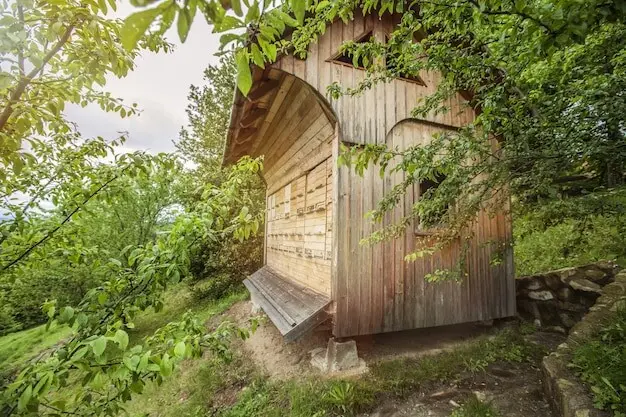
Translate heritage into identity with care: a slatted Kozolec rhythm can guide packaging vents; a lace-inspired micro-pattern can sit subtly inside boxes; beehive colors can mark categories. Publish maker credits and process notes. Invite customers into prototype rounds, and they will become advocates who understand why your details matter deeply.

Care That Deepens Beauty Over Time

Refresh wood with beeswax and a soft cloth, following grain rather than force. Wash wool infrequently in cool water, letting lanolin protect fibers. Stack ceramics with felt discs to avoid abrasion. Small rituals build patina, and patina builds affection—a loop where maintenance becomes meaning, and longevity feels like gratitude made visible.

Toralorifexozavo
Privacy Overview

This website uses cookies so that we can provide you with the best user experience possible. Cookie information is stored in your browser and performs functions such as recognising you when you return to our website and helping our team to understand which sections of the website you find most interesting and useful.