
Hands, Heritage, and Heartbeats Across Slovenia

Welcome to Meet the Makers: Stories of Slovenia’s Artisans, where we step inside workshops warmed by patience, resourcefulness, and pride. From salt wind over Sečovlje pans to bobbins clicking in Idrija, these voices reveal how landscape, memory, and family shape objects that nourish our daily rituals and inspire mindful living.

Idrija Lace: Whispers Woven in Air

In a sunlit room, fingers dance above pillows dotted with pins, bobbins ticking like small metronomes of devotion. Patterns travel from grandmothers’ notebooks to new hands, while UNESCO recognition safeguards the living practice. Each thread cross is patience made visible, a quiet architecture of care, memory, and resilient beauty.

Piran’s Salt: Crystals of Wind, Mud, and Time

Between sea and sky, salters tend clay-lined ponds, guiding brine, coaxing fragile fleur de sel with wooden rakes. The method resists haste and celebrates attention. Taste carries stories of migratory birds, summer heat, and brackish breezes, reminding us that seasoning can also season memory with place.

Tools, Materials, and Daily Rituals of Making

Tools here are companions carrying nicknames, nicks, and inherited oils from practiced hands. Wood planes hum, knives sharpen quietly at dawn, beeswax softens threads, and sheep’s wool breathes hillside summers. Rituals anchor the day: sweeping benches, blessing first cuts, sharing tea, and closing workshops with gratitude for learned patience.

The Patina of Use: When Steel Learns Your Grip

A chisel passed through three generations knows exactly where it belongs on the palm, smoothing hesitation into confidence. The blade’s edge reflects morning light and last winter’s repairs. Patina here is biography, conferred by repetitive kindness, tuned muscle memory, and the unshowy excellence only time can teach.

Gathering Responsibly: Forest, Field, and Quarry

Makers speak softly about sources: selectively felled beech, locally quarried clay, wool from neighbors whose flocks graze regeneratively. Permits hang beside drying racks, and offcuts become handles, toys, or stove kindling. Resourcefulness is both ethics and economy, ensuring tomorrow’s work remains possible, meaningful, and rooted in reciprocity.

Seasons as Workshop Calendar

Winter invites carving and design, spring welcomes clay tempering, summer calls salters to dawn ponds, and autumn colors fibers with walnuts and madder. Festivals punctuate the year, from kurent masks rattling away gloom to honey harvest blessings, weaving craft practice together with community ritual and shared resilience.


Learning Paths: From Kitchen Tables to Guild Halls

Knowledge moves person-to-person, over shoulders and through stories, as much as through textbooks. Apprentices shadow masters, correcting posture, breath, and rhythm. Schools formalize basics, yet kitchens host decisive insights: which knot holds, which glaze sings. The curriculum is patient attention, practiced humility, and honest material conversation.

Tradition Meeting Tomorrow: Design, Tech, and Values
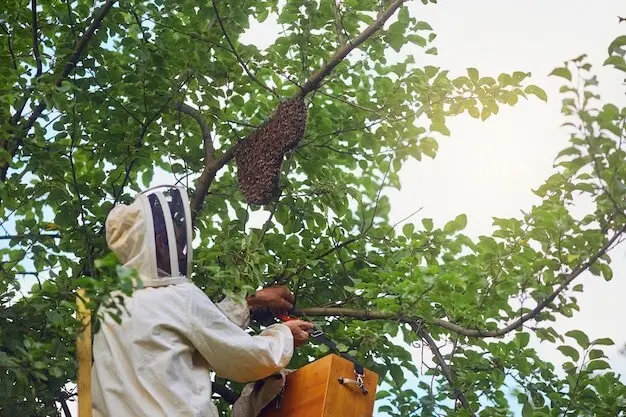
Across Slovenia, innovation honors inheritance rather than erasing it. Makers adapt natural dyes to modern palettes, test plant-tanned leathers, 3D-print jigs to spare wrists, and collaborate with designers to refine forms. Websites tell provenance clearly, while packaging foregrounds repair, reuse, and the promise that beauty can age bravely.

A Saturday in Škofja Loka

Stalls bloom like a patchwork quilt: carved ladles, linen aprons, honey in sunlight jars. Children tug parents toward a lace pillow demonstration. Bargaining softens into learning as a carver explains why slow-dried beech costs more. Laughter mingles with buskers, turning shopping into neighborly discovery and mutual respect.

Cooperatives and Shared Strength

Groups pool logistics, split booth fees, and mentor newcomers through bewildering paperwork. Shared studios lower barriers, while collective branding signals integrity. Together, makers compare supplier quotes, borrow tools, and troubleshoot shipping. Community becomes infrastructure, replacing solitary struggle with coordinated care that lets artistry breathe, grow, and find steadier footing.

Explaining Worth Without Apology

Artisans practice transparent breakdowns: hours for carving, costs of wool, blade maintenance, and taxes. Customers often nod, relieved to understand. Framing price as stewardship reframes purchase as participation in culture, not mere consumption. This clarity invites repeat visits, deeper loyalty, and a shared promise to choose durability over haste.

Markets, Fairs, and the Quiet Art of Pricing

From cobbled squares to online storefronts, makers balance storytelling, fair wages, and shipping realities. Market mornings test nerves and pride; afternoons reward with conversations that refine offerings. Pricing becomes education: explaining hours, materials, and training, so value reads as stewardship rather than a misread luxury markup.

Time Travelers: Histories in Every Stitch and Stroke
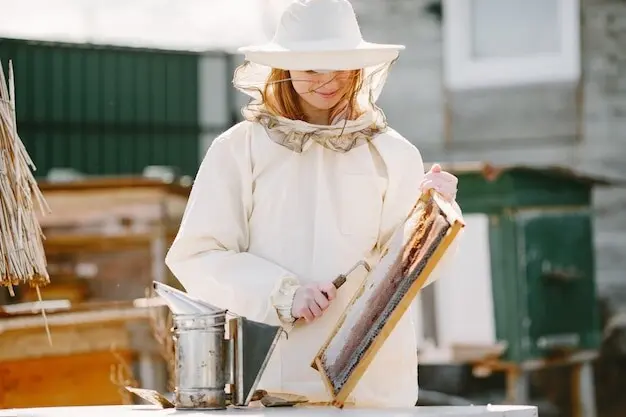
Older patterns survived borders shifting like rivers in flood and calm. Hands kept knowledge during scarcity, repurposing linen, mending handles, and painting beehive panels with moral tales and jokes. Today’s pieces echo wars survived, festivals renewed, and migrations that made techniques hybrid, resilient, and beautifully alive to change.

Join In: Visit, Learn, and Share What You Discover

Your curiosity keeps these workshops humming. Visit studios respectfully, purchase directly when you can, book classes, or gift subscriptions to friends who love slow beauty. Leave reviews with detail, share maker videos thoughtfully, and ask questions that honor process. Together, we keep meaningful work visible and viable.

01

Plan a Gentle Maker Trail

Map a weekend by rail and bike, linking lace schools, pottery kilns, and seaside salt pans. Call ahead; bring cash for small stalls. Pack a notebook for sketches, questions, and names. Choose local meals, refill bottles, and let unhurried travel add its own craftsmanship to your memory’s architecture.

02

Care and Keeping of Handmade Things

Treat wooden spoons with food-safe oil, launder linen cool and line-dry, store lace flat away from sun, and handle ceramics like stories, not props. Reach back to artisans for repairs; they often delight. Maintenance becomes a ritual of thanks, renewing bonds between your hands and theirs across years.

03

Tell Us Who You Met

Post a comment describing a conversation that stayed with you, or email a short voice note about a tool demonstration that surprised you. Subscribe for future journeys, suggest studios to visit, and tag respectful photos. Your participation keeps the circle generous, attentive, and eager for the next handshake.

Toralorifexozavo
Privacy Overview

This website uses cookies so that we can provide you with the best user experience possible. Cookie information is stored in your browser and performs functions such as recognising you when you return to our website and helping our team to understand which sections of the website you find most interesting and useful.